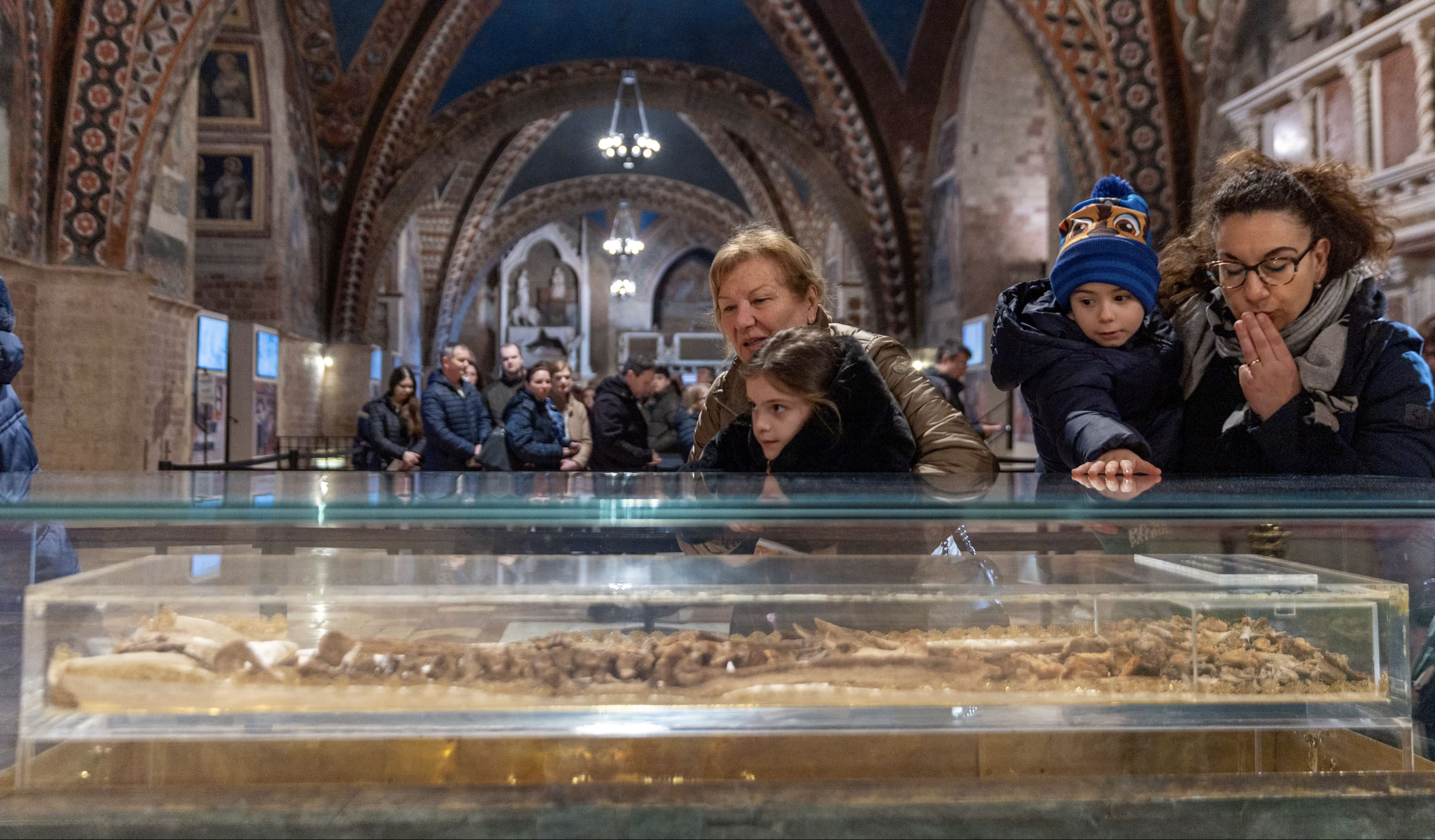
Assisi's Sacred Secrets: Where St. Francis's Body and Relics Rest
Assisi, a tranquil hilltop town nestled in the heart of Umbria, Italy, holds a profound spiritual significance for millions worldwide. It is the birthplace and final resting place of Saint Francis, one of Christianity's most revered figures. For centuries, pilgrims and seekers have journeyed to this sacred sanctuary, drawn by the enduring legacy of the "Poverello" and the tangible connections to his life. Discovering the reliquie Assisi Italia offers a unique way to retrace the rich and precious history of this extraordinary saint, providing an intimate glimpse into his humility, devotion, and revolutionary spirit.
This article delves into the sacred secrets of Assisi, exploring where St. Francis's body is preserved and the most significant relics that continue to inspire profound veneration. It's a journey not just through history, but into the very heart of Franciscan spirituality.
The Heart of Franciscan Devotion: The Basilica of Saint Francis in Assisi
At the core of Assisi's spiritual magnetism lies the monumental Basilica Papale di San Francesco d'Assisi, a UNESCO World Heritage site that serves as the primary custodian of the saint's earthly remains and many of his most cherished possessions. The Basilica is a complex masterpiece, comprising two main churches – the Upper and Lower Basilicas – each adorned with breathtaking art and steeped in history.
The ultimate destination for pilgrims is the crypt of the Lower Basilica, a hushed, contemplative space where the body of St. Francis has reposed for centuries. It is here, beneath the grandeur of frescoes by Giotto and Cimabue, that visitors can kneel in silent prayer before the simple stone sarcophagus containing the saint's remains. The atmosphere is one of profound peace and reverence, a powerful testament to a life lived in radical poverty and love.
Adjacent to the crypt, accessible within the Lower Basilica, is the Ancient Chapter Hall. This room, with its distinctive Romanesque architecture, houses an extraordinary collection of the most important St. Francis relics. These aren't merely historical artifacts; they are windows into the saint's daily life, offering a palpable connection to his physical presence. Among the treasured items carefully preserved here are:
- Eleven Silver Coins: Discovered during the significant recognition of his body in 1818, these coins provide a tangible link to the financial realities of his time, perhaps offerings or remnants of a humble existence.
- The Stone Pillow: A stark symbol of his chosen life of austerity, this simple stone served as St. Francis's pillow, reflecting his rejection of worldly comforts.
- Ashes of the Body: Also recovered during the 1818 recognition, these ashes are a solemn reminder of his mortality and the passage of time, yet imbued with the enduring power of his spirit. The 1818 recognition was a momentous event, authorized by Pope Pius VII and witnessed by Umbrian bishops, doctors, and archaeologists, ensuring the authenticity and careful documentation of the findings.
- The "White" Tunic: This remarkable garment, believed to have been a gift from the noble Roman woman Jacopa dei Settesoli – a devoted follower often referred to as "Brother Jacoba" – speaks volumes about Francis's personal relationships and the respect he commanded from all walks of life.
- His Slippers: These worn personal items further underscore his humility and the arduous journeys he undertook spreading the Gospel.
- Chamois Skin: Poignantly, a piece of chamois skin, placed in direct contact with the wound on his side (referencing the stigmata), serves as a powerful and moving relic of his deep identification with Christ's suffering.
Each of these reliquie Assisi Italia contributes to a richer understanding of St. Francis, inviting contemplation on his virtues and inspiring a deeper spiritual walk.
Echoes of His Voice: St. Francis's Autograph Writings
Beyond the physical relics, Assisi also safeguards priceless written artifacts that offer direct access to St. Francis's mind and heart. These documents provide insight into his teachings, his relationships, and the foundational principles of the Franciscan Order.
- The Autograph Blessing to Brother Leo: This personal, handwritten letter from St. Francis to his loyal companion and confessor, Brother Leo, is an incredibly moving piece. It begins with "The Lord bless you and keep you..." and includes a specific blessing unique to Brother Leo, revealing the depth of their bond and Francis's personal care for his friars. This autograph is not just a historical document but a vibrant testament to his compassion and spiritual guidance.
- The Franciscan Rule (1223): Dated November 29, 1223, this document is often referred to as the "Magna Charta" of Franciscanism. It is the definitive rule of life for his followers, articulating the core tenets of poverty, humility, and service. While perhaps not entirely autographed by Francis, it bears his undeniable spirit and authority, representing his final vision for the Order. Studying this Rule provides profound insight into the spiritual movement he ignited and its lasting impact on the Church and the world.
These written relics bridge the centuries, allowing modern readers to hear the echoes of St. Francis's voice, his unwavering faith, and his profound vision for a life lived in imitation of Christ.
Pilgrimage and Presence: Experiencing St. Francis Today
The presence of St. Francis's body and these sacred relics ensures that Assisi remains a living center of pilgrimage and spirituality. Events such as the recent ostension of his remains – for example, a special display from February 22 to March 22 during the period leading up to the eighth centenary of his death (1226-2026) – draw immense numbers of pilgrims. It's estimated that up to half a million faithful, including many from regions deeply touched by Franciscan spirituality like Abruzzo, descended upon Assisi in just one month for such an event. During these rare ostensions, St. Francis's remains are carefully exhumed from the sarcophagus and placed on a special altar, allowing for closer veneration and a deeper connection for the throngs of visitors. This recent event was a powerful reminder of the enduring devotion to the Poverello and the readiness of the faithful to travel great distances to experience his presence.
For those planning a visit to Assisi, experiencing these relics is a deeply personal and spiritual journey. Here are some practical tips:
- Plan Your Visit: Assisi can be crowded, especially during peak seasons or significant anniversaries. Consider visiting during the shoulder seasons (spring or fall) for a more tranquil experience.
- Respect the Sacred Space: The Basilica and crypt are places of profound prayer and reflection. Dress modestly, keep voices low, and refrain from photography in designated areas.
- Allow Time for Reflection: Don't rush through the sites. Take time to sit, pray, and contemplate the significance of what you are witnessing. The crypt, in particular, invites quiet introspection.
- Explore Beyond the Basilica: While the Basilica houses the main relics, Assisi offers many other sites connected to St. Francis, such as the Porziuncola (within the Basilica of Santa Maria degli Angeli) and San Damiano. Visiting these locations deepens the understanding of his life and mission. For a broader perspective on the various locations holding relics of St. Francis, you might find Tracing St. Francis: A Guide to His Relics Across Italy a helpful resource.
- Embrace the Pilgrim Spirit: Approach your visit as a pilgrimage, open to the spiritual insights and inspiration that St. Francis's life continues to offer. You can learn more about the scale of recent pilgrimage events in Assisi Welcomes Half Million Pilgrims for St. Francis Relics.
While Assisi is paramount, it's worth noting that other locations across Italy also hold important St. Francis relics, such as a letter in Spoleto or items in Cortona and Rome. However, it is in Assisi where the core of his physical presence and the most significant personal artifacts are preserved, making it the undeniable heart of his legacy.
Conclusion
Assisi's sacred secrets, particularly the body of St. Francis and the collection of reliquie Assisi Italia, offer a timeless invitation to connect with one of history's most beloved saints. From the humble stone pillow to his autograph blessing, each relic serves as a powerful reminder of his extraordinary life, his radical commitment to the Gospel, and his enduring message of peace, poverty, and love. A visit to Assisi is more than just sightseeing; it is a profound pilgrimage, a chance to walk in the footsteps of St. Francis, and to draw inspiration from a spiritual legacy that continues to shape the world.